

Genes, ethics and society
View Sequence overviewStudents will:
- become aware of the inheritance, prevalence, diagnosis, symptoms and treatment of cystic fibrosis (a common genetic disease).
- understand that genes associated with a genetic disease can be detected by analysing the DNA in cells.
- understand the purpose of genetic screening.
Students will represent their understanding as they:
- record their responses to statements about the features of cystic fibrosis.
- classify diseases as infectious, environmental or inherited.
- share examples of genetic diseases in a brainstorm activity.
In this lesson, assessment is diagnostic.
Take note of:
- student participation in discussion, brainstorm activity and exit slip activity.
- students’ understanding of the causes of disease.
- students’ understanding of the term “genetic”.
- students’ reluctance to discuss particular diseases or conditions.
- students’ ability to display empathy when discussing conditions, disorders or diseases.
Whole class
Genes, ethics and society Slides
Video: Rookie reporter: Melody tells us about cystic fibrosis (4:32)
Video: Cystic fibrosis and carrier screening explainer (2:01)
Sticky notes
Each student
Cystic fibrosis Resource sheet
Student notebook
Lesson
The Launch phase is designed to increase the science capital in a classroom by asking questions that elicit and explore students’ experiences. It uses local and global contexts and real-world phenomena that inspire students to recognise and explore the science behind objects, events and phenomena that occur in the material world. It encourages students to ask questions, investigate concepts, and engage with the Core Concepts that anchor each unit.
The Launch phase is divided into four routines that:
- ensure students experience the science for themselves and empathise with people who experience the problems science seeks to solve (Experience and empathise)
- anchor the teaching sequence with the key ideas and core science concepts (Anchor)
- elicit students’ prior understanding (Elicit)
- and connect with the students’ lives, languages and interests (Connect).
Science education consists of a series of key ideas and core concepts that can explain objects, events and phenomena, and link them to the experiences encountered by students in their lives. The purpose of the Anchor routine is to identify the key ideas and concepts in a way that builds and deepens students’ understanding. During the Launch phase, the Anchor routine provides a lens through which to view the classroom context, and a way to frame the key knowledge and skills students will be learning.
When designing a teaching sequence, consider the core concepts and key ideas that are relevant. Break these into small bite-sized pieces that are relevant to the age and stage of your students. Consider possible alternative concepts that students might hold. How could you provide activities or ask questions that will allow students to consider what they know?
The Elicit routine provides opportunities to identify students’ prior experiences, existing science capital and potential alternative conceptions related to the Core concepts. The diagnostic assessment allows teachers to support their students to build connections between what they already know and the teaching and learning that occurs during the Inquire cycle.
When designing a teaching sequence, consider when and where students may have been exposed to the core concepts and key ideas in the past. Imagine how a situation would have looked without any prior knowledge. What ideas and thoughts might students have used to explain the situation or phenomenon? What alternative conceptions might your students hold? How will you identify these?
The Deep connected learning in the ‘Pedagogical Toolbox: Deep connected learning’ provides a set of tools to identify common alternative conceptions to aid teachers during this routine.
Read more about using the LIA FrameworkWhat is a disease?
Introduce that in this lesson students will be examining diseases that are inherited through families.
(Slide 3) Pose the question: What do we mean when we say someone has a disease?
Invite students to brainstorm all the diseases that they know and write each one individually on a sticky note. Place these notes on a wall or window. These will be categorised following discussion.
Discuss how a disease is anything that affects the normal functioning of the body. Some diseases are a result of an infectious agent (bacteria) or an environmental agent (mutagens, allergens etc.). Other diseases are inherited.
- What does “normal functioning of the body” mean to you?
- Can you think of examples where the body isn’t functioning properly? What happens?
- What is the difference between an infectious disease and a non-infectious disease?
- Can you give examples of diseases caused by germs (bacteria, viruses)?
- What are some diseases that aren’t caused by germs?
- What do you think an environmental agent/factor is?
- How can things like air pollution, diet, or lifestyle affect our health?
- Can you think of any conditions or diseases that run in families?
- How might a genetic condition be passed from parents to children?
- Do you think genetic diseases are always present at birth?
- Can someone have a genetic condition without knowing it? Why or why not?
(Slide 4) ✎ STUDENT NOTES: Define “disease” (anything that affects the normal functioning of the body), “infectious disease” (a disease caused by a living organism or agent that can infect the body and reproduce), “environmental disease” (a disease caused by an environmental factor such as sunlight, chemicals or lifestyle), and “inherited disease” (a condition caused by genetic material/DNA that is inherited from parents).
If required, remind students of the basic structures of a cell from Year 8, including the genetic material (DNA) that is stored in the nucleus of the cell. This genetic material contains all the information needed for the cell to survive, grow and reproduce.
(Slide 5) Group sticky notes of diseases into three categories: infectious, environmental, genetic. Discuss how some diseases can fit into two categories, for example, type 2 diabetes has both a genetic component and a lifestyle/environment component.
✎ STUDENT NOTES: Record the diseases and their categories in a table.
| Infectious disease | Environmental disease | Inherited disease |
|
Core concepts and key ideas
When planning for teaching in your classroom, it can be useful to see where a sequence fits into the larger picture of science.

When planning for teaching in your classroom, it can be useful to see where a sequence fits into the larger picture of science. This unit is anchored to the Science Understanding core concepts for Biological sciences.
- A diverse range of living things have evolved on Earth over hundreds of millions of years; this process is ongoing.
- The form and features of living things are related to the functions that their body systems perform.
By Year 10, students have already examined observed and compared the characteristics of living things (Foundation and Year 3), examined how structural features and behaviours of living things enable their survival (Year 5), recognised cells as the basic unit of living things (Year 8) and describe the form and function of reproductive cells and how the process of sexual and asexual reproduction enables the survival of living things (Year 9).
This core concept is linked to the key science ideas:
- Patterns in inheritance can be observed at different scales. (Patterns, order and organisation)
- The form and function of inheritance is determined by the form, function and interconnection of genetic material. (Patterns, order and organisation)
- Some systems can only be investigated indirectly as they are too small to observe directly. (Scale and measure)
- Models can be used to simulate systems and interactions. (Systems)
- Models can be used to predict inheritance. (Systems)
- The accuracy and reliability of inheritance predictions are dependent upon the assumptions and approximations in a model. (Systems)
When planning for teaching in your classroom, it can be useful to see where a sequence fits into the larger picture of science. This unit is anchored to the Science Understanding core concepts for Biological sciences.
- A diverse range of living things have evolved on Earth over hundreds of millions of years; this process is ongoing.
- The form and features of living things are related to the functions that their body systems perform.
By Year 10, students have already examined observed and compared the characteristics of living things (Foundation and Year 3), examined how structural features and behaviours of living things enable their survival (Year 5), recognised cells as the basic unit of living things (Year 8) and describe the form and function of reproductive cells and how the process of sexual and asexual reproduction enables the survival of living things (Year 9).
This core concept is linked to the key science ideas:
- Patterns in inheritance can be observed at different scales. (Patterns, order and organisation)
- The form and function of inheritance is determined by the form, function and interconnection of genetic material. (Patterns, order and organisation)
- Some systems can only be investigated indirectly as they are too small to observe directly. (Scale and measure)
- Models can be used to simulate systems and interactions. (Systems)
- Models can be used to predict inheritance. (Systems)
- The accuracy and reliability of inheritance predictions are dependent upon the assumptions and approximations in a model. (Systems)
Genetic testing
Genetic testing can be conducted pre-implantation, during pregnancy, at birth, during childhood and adulthood.
Through television, movies, novels, news media and personal experience, students are likely to be aware of genetic conditions, genetic testing and screening. Students are likely to know a friend or family member with a genetic condition, if not themselves. When teaching about genetics and genetic conditions, it is important to be aware of any relevant student backgrounds and to teach with sensitivity.
A common alternative conception is that infectious, autoimmune or idiopathic diseases (such as COVID, influenza, hepatitis) are genetic diseases. Some students may believe that genetic diseases can be “caught”.
DNA is present in all cells except red blood cells, platelets and keratinised skin, hair and nail cells. A genetic condition can be diagnosed by examining the DNA in white blood cells, cheek cells or other tissues. The DNA is analysed in a laboratory.
An alternative conception is that DNA is only present in blood or fingerprints. This is possibly due to confusion with the term “DNA fingerprinting” in crime shows.
Genetic testing can be conducted pre-implantation (gametes, embryo), during pregnancy, at birth, during childhood and adulthood. At birth, all newborn babies are offered a newborn screening test that tests for abnormal proteins. If abnormal proteins are detected, genetic testing can occur.
The most common genetic condition in Australia is haemochromatosis or iron overload disease, which affects 1 in 200 people. Other common genetic conditions are cystic fibrosis, familial hypercholesterolaemia, spinal muscular atrophy, neurofibromatosis and phenylketonuria. Many common diseases have a genetic basis (e.g. diabetes, coeliac disease, asthma, Alzheimer’s disease) that is influenced by environmental factors.
Genetic testing is carried out to detect changes in the DNA sequence of genes associated with a genetic condition. Genetic testing is also used for forensic, paternity and ancestry studies.
Predictive genetic testing is used to test an individual before they develop a disease. The presence of a mutation can indicate an increased predisposition or risk of developing the disease. Predictive carrier screening involves testing a group of people to determine those who may pass on the genetic condition to their children. Screening may involve testing all individuals in a population. The heel prick test provided to all Australian newborn babies is an example of this. Sometimes a screening test might only be provided to the family members of someone already diagnosed with the genetic condition. Examples are breast cancer (mutations in BRCA1 and BRCA2 for some types of breast cancer and ovarian cancer), Alzheimer’s disease and bowel cancer.
There are advantages of predictive screening related to reproductive choice, lifestyle changes and monitoring and early detection. Disadvantages include increased stress, inconvenience for invasive monitoring (e.g. colonoscopy), low test availability in rural areas, and family disagreements about the need for testing.
Through television, movies, novels, news media and personal experience, students are likely to be aware of genetic conditions, genetic testing and screening. Students are likely to know a friend or family member with a genetic condition, if not themselves. When teaching about genetics and genetic conditions, it is important to be aware of any relevant student backgrounds and to teach with sensitivity.
A common alternative conception is that infectious, autoimmune or idiopathic diseases (such as COVID, influenza, hepatitis) are genetic diseases. Some students may believe that genetic diseases can be “caught”.
DNA is present in all cells except red blood cells, platelets and keratinised skin, hair and nail cells. A genetic condition can be diagnosed by examining the DNA in white blood cells, cheek cells or other tissues. The DNA is analysed in a laboratory.
An alternative conception is that DNA is only present in blood or fingerprints. This is possibly due to confusion with the term “DNA fingerprinting” in crime shows.
Genetic testing can be conducted pre-implantation (gametes, embryo), during pregnancy, at birth, during childhood and adulthood. At birth, all newborn babies are offered a newborn screening test that tests for abnormal proteins. If abnormal proteins are detected, genetic testing can occur.
The most common genetic condition in Australia is haemochromatosis or iron overload disease, which affects 1 in 200 people. Other common genetic conditions are cystic fibrosis, familial hypercholesterolaemia, spinal muscular atrophy, neurofibromatosis and phenylketonuria. Many common diseases have a genetic basis (e.g. diabetes, coeliac disease, asthma, Alzheimer’s disease) that is influenced by environmental factors.
Genetic testing is carried out to detect changes in the DNA sequence of genes associated with a genetic condition. Genetic testing is also used for forensic, paternity and ancestry studies.
Predictive genetic testing is used to test an individual before they develop a disease. The presence of a mutation can indicate an increased predisposition or risk of developing the disease. Predictive carrier screening involves testing a group of people to determine those who may pass on the genetic condition to their children. Screening may involve testing all individuals in a population. The heel prick test provided to all Australian newborn babies is an example of this. Sometimes a screening test might only be provided to the family members of someone already diagnosed with the genetic condition. Examples are breast cancer (mutations in BRCA1 and BRCA2 for some types of breast cancer and ovarian cancer), Alzheimer’s disease and bowel cancer.
There are advantages of predictive screening related to reproductive choice, lifestyle changes and monitoring and early detection. Disadvantages include increased stress, inconvenience for invasive monitoring (e.g. colonoscopy), low test availability in rural areas, and family disagreements about the need for testing.
The Launch phase is designed to increase the science capital in a classroom by asking questions that elicit and explore students’ experiences. It uses local and global contexts and real-world phenomena that inspire students to recognise and explore the science behind objects, events and phenomena that occur in the material world. It encourages students to ask questions, investigate concepts, and engage with the Core Concepts that anchor each unit.
The Launch phase is divided into four routines that:
- ensure students experience the science for themselves and empathise with people who experience the problems science seeks to solve (Experience and empathise)
- anchor the teaching sequence with the key ideas and core science concepts (Anchor)
- elicit students’ prior understanding (Elicit)
- and connect with the students’ lives, languages and interests (Connect).
Students arrive in the classroom with a variety of scientific experiences. This routine provides an opportunity to plan for a common shared experience for all students. The Experience may involve games, role-play, local excursions or yarning with people in the local community. This routine can involve a chance to Empathise with the people who experience the problems science seeks to solve.
When designing a teaching sequence, consider what experiences will be relevant to your students. Is there a location for an excursion, or people to talk to as part of an incursion? Are there local people in the community who might be able to talk about what they are doing? How could you set up your classroom to broaden the students’ thinking about the core science ideas? How could you provide a common experience that will provide a talking point throughout the sequence?
Read more about using the LIA FrameworkCystic fibrosis
Pose the question: Do you know someone with a genetic condition?
Invite students to share their knowledge at a level they feel comfortable. Allow students to keep their knowledge private if they are not comfortable sharing.
Provide students with the Cystic fibrosis Resource sheet.
Show the video Rookie reporter: Melody tells us about cystic fibrosis (4:32), which features Melody, an Australian girl with cystic fibrosis who describes her diagnosis, symptoms and treatment.
✎ STUDENT NOTES: Use information from the video to complete the appropriate sections of the Cystic fibrosis Resource sheet.
- Are genetic conditions always severe, or can they vary?
- Why might some genetic conditions affect certain parts of the body (like lungs or muscles)?
- Why is it important for people to learn about genetic conditions even if they don’t have one?
- How might genetic testing help people or families?
- What kinds of challenges does Melody face in daily life?
Remind students that one of Melody’s symptoms was difficulty breathing.
Pose the question: Do you know someone who has asthma? What does an asthma attack feel like?
NOTE: Approximately 10% of 14-year-olds have asthma or will have a sibling/friend with asthma.
Optional: Encourage students to take a deep breath in and hold for ten seconds and then try to inhale again without exhaling. This models what asthma breathing feels like during an attack.
Discuss how breathing difficulties could impact a person’s lifestyle, for example by making it difficult to play sport or participate in activities that may trigger an attack.
Pose the question: How did Melanie “get” cystic fibrosis?
Show the video Cystic fibrosis and carrier screening explainer (2:01).
✎ STUDENT NOTES: Use information from the video to complete the appropriate sections of the Cystic fibrosis Resource sheet. Keep this resource sheet for the Act phase of this sequence.
Discuss with students how cystic fibrosis is a common and serious genetic condition in Australia. The two videos should support students to understand the type of inheritance, frequency (number of cases per birth/number of carriers in the general population), the symptoms, diagnosis, treatment and life expectancy of people with cystic fibrosis.
(Slide 6) ✎ STUDENT NOTES: Write the definition of a “genetic carrier” (a person who does not have the symptoms of a genetic condition but can pass it on to their children).
Teaching with empathy
Teaching genetics requires teaching empathy and inclusivity.
Teaching genetics requires teaching empathy and inclusivity.
When you have a student with a genetic condition or who has a family member with a genetic condition, teaching genetics requires a bit of extra care, but it can also be a powerful opportunity to build empathy, accuracy and inclusivity in your classroom. Avoid putting the student in the spotlight. Do not assume the student will want to share their experience or act as an example. Speak with them (and possibly their caregivers) privately beforehand and give them full control over whether and how much they participate.
Use respectful, current language. Emphasise that genetic conditions are just one aspect of a person’s identity, not something that defines their worth or potential. Avoid framing genetics only in terms of “problems”, “defects” or “abnormalities”. Instead, present it as natural variation within populations.
Be mindful of examples and activities. Some common classroom exercises like having students map family traits or discuss inherited conditions can feel very personal or uncomfortable. Offer alternatives or make such activities optional, and frame them broadly (e.g. using fictional families or case studies instead).
Address misconceptions proactively. Students may have simplistic or harmful ideas about genetics (e.g. determinism or blame). Reinforce that:
- most traits involve complex interactions between genes and environment.
- having a genetic condition is not anyone’s fault.
- people with genetic conditions can and do live full, diverse lives.
Set clear expectations for respectful discussion. Establish ground rules about language, curiosity, and kindness before starting the teaching sequence. Intervene quickly if insensitive comments arise and treat them as teachable moments.
You might also consider coordinating with school counsellors or support staff if needed.
Teaching genetics requires teaching empathy and inclusivity.
When you have a student with a genetic condition or who has a family member with a genetic condition, teaching genetics requires a bit of extra care, but it can also be a powerful opportunity to build empathy, accuracy and inclusivity in your classroom. Avoid putting the student in the spotlight. Do not assume the student will want to share their experience or act as an example. Speak with them (and possibly their caregivers) privately beforehand and give them full control over whether and how much they participate.
Use respectful, current language. Emphasise that genetic conditions are just one aspect of a person’s identity, not something that defines their worth or potential. Avoid framing genetics only in terms of “problems”, “defects” or “abnormalities”. Instead, present it as natural variation within populations.
Be mindful of examples and activities. Some common classroom exercises like having students map family traits or discuss inherited conditions can feel very personal or uncomfortable. Offer alternatives or make such activities optional, and frame them broadly (e.g. using fictional families or case studies instead).
Address misconceptions proactively. Students may have simplistic or harmful ideas about genetics (e.g. determinism or blame). Reinforce that:
- most traits involve complex interactions between genes and environment.
- having a genetic condition is not anyone’s fault.
- people with genetic conditions can and do live full, diverse lives.
Set clear expectations for respectful discussion. Establish ground rules about language, curiosity, and kindness before starting the teaching sequence. Intervene quickly if insensitive comments arise and treat them as teachable moments.
You might also consider coordinating with school counsellors or support staff if needed.
Cystic fibrosis
Cystic fibrosis is an inherited condition caused by mutations in a gene called CFTR.
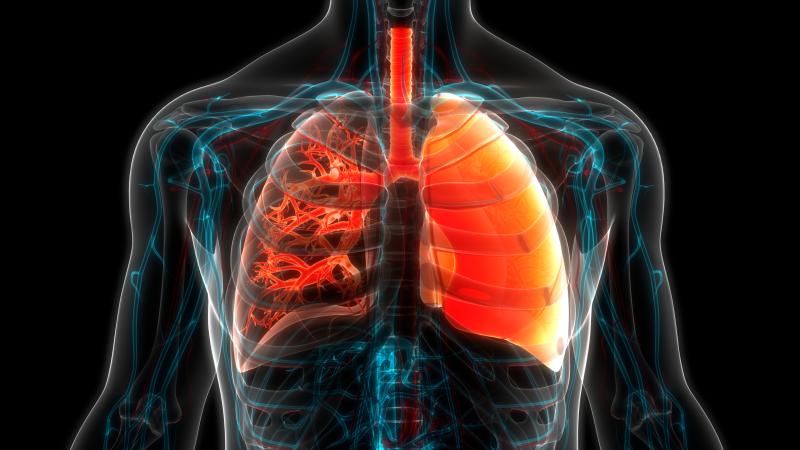
Cystic fibrosis is an inherited condition caused by mutations in a gene called CFTR. It follows an autosomal recessive inheritance pattern, meaning a child must inherit one faulty gene from each parent to develop the condition. Carriers usually have no symptoms. In Australia, 1 in 25 people are carriers of cystic fibrosis (statistically, this could be a student in your class), and 1 in 2,500 babies are born with cystic fibrosis.
Diagnosis can occur in the early stages of pregnancy through reproductive carrier screening. However, diagnosis usually occurs when the newborn bloodspot screening test detects high levels of an abnormal protein. This is followed by a sweat test measuring high chloride levels. Genetic testing can confirm CFTR mutations.
The bodies of people with cystic fibrosis produce thick, sticky mucus affecting multiple organs. In the lungs, this leads to persistent coughing, multiple chest infections, wheezing, and poor lung function. In the digestive system, blocked pancreatic ducts cause poor nutrient absorption, resulting in slow growth and low weight. Some individuals also experience salty-tasting skin and infertility (males).
There is no cure for cystic fibrosis. Treatment focuses on managing symptoms and preventing complications. This includes airway clearance techniques, inhaled medications, antibiotics for infections, pancreatic enzyme supplements, high-calorie diets and CFTR modulators (a new therapy). Twenty years ago, children with cystic fibrosis died before the age of 30. With early diagnosis and treatment, it is predicted that individuals born with cystic fibrosis today will live into their 60s.
References
Chalmers, S. (2024). Cystic Fibrosis. In Mayo Clinic. Mayo Clinic. https://www.mayoclinic.org/diseases-conditions/cystic-fibrosis/symptoms-causes/syc-20353700
Cystic fibrosis is an inherited condition caused by mutations in a gene called CFTR. It follows an autosomal recessive inheritance pattern, meaning a child must inherit one faulty gene from each parent to develop the condition. Carriers usually have no symptoms. In Australia, 1 in 25 people are carriers of cystic fibrosis (statistically, this could be a student in your class), and 1 in 2,500 babies are born with cystic fibrosis.
Diagnosis can occur in the early stages of pregnancy through reproductive carrier screening. However, diagnosis usually occurs when the newborn bloodspot screening test detects high levels of an abnormal protein. This is followed by a sweat test measuring high chloride levels. Genetic testing can confirm CFTR mutations.
The bodies of people with cystic fibrosis produce thick, sticky mucus affecting multiple organs. In the lungs, this leads to persistent coughing, multiple chest infections, wheezing, and poor lung function. In the digestive system, blocked pancreatic ducts cause poor nutrient absorption, resulting in slow growth and low weight. Some individuals also experience salty-tasting skin and infertility (males).
There is no cure for cystic fibrosis. Treatment focuses on managing symptoms and preventing complications. This includes airway clearance techniques, inhaled medications, antibiotics for infections, pancreatic enzyme supplements, high-calorie diets and CFTR modulators (a new therapy). Twenty years ago, children with cystic fibrosis died before the age of 30. With early diagnosis and treatment, it is predicted that individuals born with cystic fibrosis today will live into their 60s.
References
Chalmers, S. (2024). Cystic Fibrosis. In Mayo Clinic. Mayo Clinic. https://www.mayoclinic.org/diseases-conditions/cystic-fibrosis/symptoms-causes/syc-20353700
The Launch phase is designed to increase the science capital in a classroom by asking questions that elicit and explore students’ experiences. It uses local and global contexts and real-world phenomena that inspire students to recognise and explore the science behind objects, events and phenomena that occur in the material world. It encourages students to ask questions, investigate concepts, and engage with the Core Concepts that anchor each unit.
The Launch phase is divided into four routines that:
- ensure students experience the science for themselves and empathise with people who experience the problems science seeks to solve (Experience and empathise)
- anchor the teaching sequence with the key ideas and core science concepts (Anchor)
- elicit students’ prior understanding (Elicit)
- and connect with the students’ lives, languages and interests (Connect).
Each student comes to the classroom with experiences made up from science-related knowledge, attitudes, experiences and resources in their life. The Connect routine is designed to tap into these experiences and that of their wider community. It is also an opportunity to yarn with community leaders (where appropriate) to gain an understanding of the student’s lives, languages and interests. In the Launch phase, this routine identifies and uses the science capital of students as the foundation of the teaching sequence so students can appreciate the relevance of their learning and its potential impact on future decisions. In short, this routine moves beyond scientific literacy and increases the science capital in the classroom and science identity of the students.
When planning a teaching sequence, take an interest in the lives of your students. What are their hobbies, how do they travel to and from school? What might have happened in the lives of your students (i.e. blackouts) that might be relevant to your next teaching sequence? What context might be of interest to your students?
Read more about using the LIA FrameworkWho should be tested?
Explain that scientific advances in gene technology have led to the development of tests for the genes that cause most genetic conditions. The original tests used to cost millions of dollars, but now costs are much cheaper (less than $500). This allows people to confirm that symptoms have a genetic cause or for those who have an increased risk or predisposition to be tested before any symptoms occur.
Discuss the implications of genetic testing becoming more affordable for people with an increased risk or a predisposition for particular genetic conditions.
- What does it mean that genetic testing is becoming more available and affordable?
- Why might more people choose to have genetic testing now than in the past?
- How is testing someone with symptoms different from testing someone with no symptoms?
- Does predictive testing give definite answers or just probabilities? Why is that important?
- How might someone feel getting results that show a higher risk of a genetic condition?
- How could earlier access to genetic testing improve health outcomes?
- What actions could someone take if they find out they have a higher risk of a genetic condition?
- Could having more access to genetic testing cause stress or anxiety? Why?
- What happens if someone finds out they are at risk for a genetic condition that has no cure?
- Do you think everyone has equal access to these tests? Why or why not?
- Would you want to know your risk for a future genetic condition? Why or why not?
(Slide 7) ✎ STUDENT NOTES: Define “predictive genetic testing”—a type of test used to find out whether a person has a higher risk of developing a genetic condition in the future.
Discuss how in this teaching sequence, students will examine how genetic conditions are passed from parents to children, and the advantages, disadvantages and ethics of genetic testing. Students will then examine the challenges of being a genetic counsellor (a person who supports parents before, during and after a genetic test).
Ask students to complete an exit slip as they leave, including what they would like to know about genetic conditions. Ask them to use sticky notes to record at least one question and put it on the door at the end of class. This is an opportunity for students to provide potential genetic information about themselves or family members. Use the exit slips to inform planning for the following lessons in the sequence. Consider students’ key interests, prior knowledge and any alternative conceptions.
Reflect on the lesson
You might ask students to:
- start a glossary that includes the word, the definition and an example of the word being used in a sentence. Include the words “disease”, “genetic condition”, “genetic carrier”, “cystic fibrosis” and “predictive genetic test”.
- select two of the genetic conditions identified in class and for each write down the prevalence, diagnosis, symptoms and treatment.